


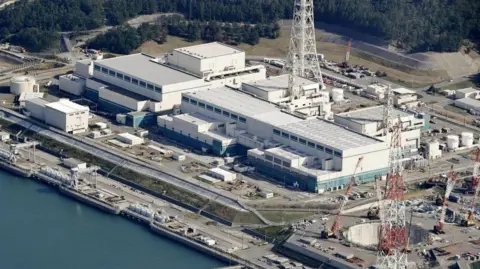
The country is nearing approving the resumption of the world's largest nuclear power plant—the first time it would be in use since the 2011 Fukushima nuclear incident.
Hideyo Hanazumi, leader of the Niigata area where the Kashiwazaki-Kariwa atomic station is located, stated he has given the green light for the phased recommencement.
The plan to restart activities at the plant, managed by the Tepco utility firm, requires consent from the local government assembly and Japan's nuclear regulator before it can move forward.
Should it be authorized, it would be the first time Tepco would be permitted to resume reactor functioning in Japan since its Fukushima station experienced a meltdown after a tidal surge.
Local Citizens Divided on Resumption
People living in Niigata are divided over whether the plant should be restarted or not.
Hanazumi stated at a press briefing on the end of the week that his determination would be discussed in December at a prefectural government assembly, where he would pursue the body's consent.
The authorization would be for the recommencement of operations at the Kashiwazaki-Kariwa plant's sixth reactor, then the seventh reactor.
Context and Corporate Recovery Strategy
The restart of activities at the plant is part of Tepco's business reconstruction plan following the Fukushima nuclear disaster, which was caused by a powerful seismic event and enormous surge.
When the plant's reactors were inundated by the surge, it caused radiation to leak out and compelled 150,000 people to be evacuated from the area.
The Japanese government ordered all its atomic energy facility units to be shut down in 2011 in the wake of the catastrophe. Afterward, 14 reactors have been reactivated.
The company was mandated to pay trillions of Japanese yen in damages to those harmed and is also covering the station's closure expenditures.
Local Sentiment and Worries
A poll published by the region in the previous month indicated that 50% of its locals backed the facility's resumption, while nearly half were in disagreement. It also suggested that almost seven in ten of residents in the area were concerned about the utility managing the facility.
Energy Goals and Future
The recent ruling illustrates a desire among certain groups in the country to advance toward greater utilization of atomic power to lessen use of carbon-based fuels, as the nation aims for a target of carbon neutrality.
