

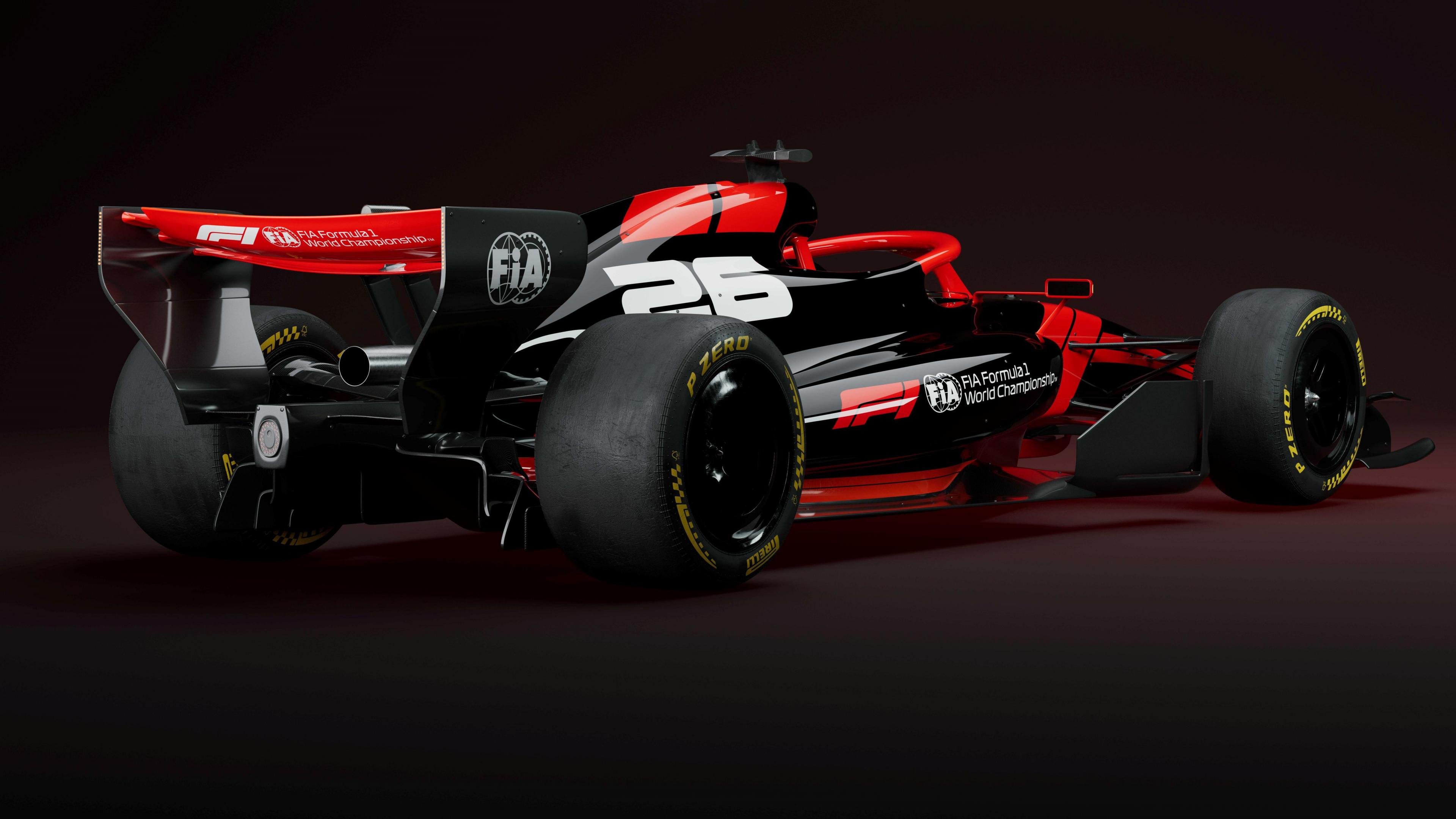
The 2026 cars are expected to be lighter, more agile and sustainable compared to current models.
Formula 1 has introduced the simplified language that will be used to reference the intricate details of its revolutionary 2026 technical rules.
The sport is implementing what is potentially the largest regulation change in its competitive history next season, featuring new chassis and engine rules and the required adoption of fully sustainable fuels.
The revised engines, which keep the hybrid V6 layout, boast a significantly increased battery power, necessitating major innovations in the aero packages.
Over a race distance, pilots will strategically manage battery power – including during qualifying laps – to achieve the peak result.
Extensive fan consultation were undertaken with a wide range of fans, including long-time followers and newcomers, to understand which phrases would make things clearer of the main elements of the new regulations.
The stated goal was to present a series of complex new areas of the competition as easy to grasp as possible for the broadest viewership.
Consequently, initial designations for certain devices – such as "alphabetical mode names" for the moveable wings – have been abandoned in favor of intuitive labels that clearly indicate the primary purpose of the technology.
Exploring the New Tech
Regulators explain that racers will have more power to choose strategies regarding power usage, regeneration, and conservation.
The upcoming changes introduce a set of functions that will be visually displayed on broadcast screens to enhance the audience's understanding of the on-track action.
- Attack Mode: This supersedes the present overtaking aid. It provides a short boost of battery power deployable when a driver is close behind the vehicle in front to assist with an overtaking maneuver.
- Boost Mode: This is a on-demand power boost from the ERS that can be deployed for attack or defence. It delivers the driver peak output at the push of a button.
Both of these key functions will have to be deployed strategically, as the overall battery capacity is strictly limited.
- Active Aerodynamics: Both the car's wings adjust their angles – opening on the high-speed sections for minimal air resistance and increased velocity, and angling down in the corners for optimal cornering performance.
- Battery Recharge: Drivers can replenish their battery with regenerative braking, or during coasting at the end of straights or in corners where only limited engine output is used.
What's Changing on the Cars?
The vehicles for the new era will be smaller and lighter compared to the 2025 spec, with a wheelbase reduced by 200mm to 3,400mm, overall width cut by 100mm – down to 1,900mm – and the lowest permissible weight lowered by 30kg.
Total aerodynamic grip is expected to drop by approximately fifteen to thirty percent, although teams will naturally regain performance as they develop their cars.
Aerodynamic drag has been reduced by 40%. The cars will employ moveable wing elements – both wings will move on the straights to cut resistance and increase straightline speed and return into place for optimal grip in corners.
Pirelli tyres will retain 18-inch wheel rims, but the tyres themselves will be reduced in width, by 25mm at the front and 30 millimetres on the rear axle.
What's Changing in the Engines?
The new power units will have an approximate 50-50 split in power produced by the internal combustion engine and the electrical system, increasing from about one-fifth electric power this year.
The ERS setup is streamlined through the removal of the complex turbo energy recovery device, the intricate and expensive component that harvested power from the turbo.
Cars will be required to run on 100% sustainable fuel, created from plant-based materials or synthetic production methods.


